Must-Try Filipino Dishes
Filipino cuisine is known for its rich flavors. In their wide varieties, you'll typically find fatty proteins, creamy sauces, and umami-rich broths. These meals may not be diet-friendly, but they will certainly satisfy your stomach.
If you're bored with your typical weeknight routine, why not try something fresh and exciting? These 8 classic Filipino recipes can definitely elevate your meal from ordinary to superb. Try any of these dishes to add a fun and savory Filipino twist to your supper!

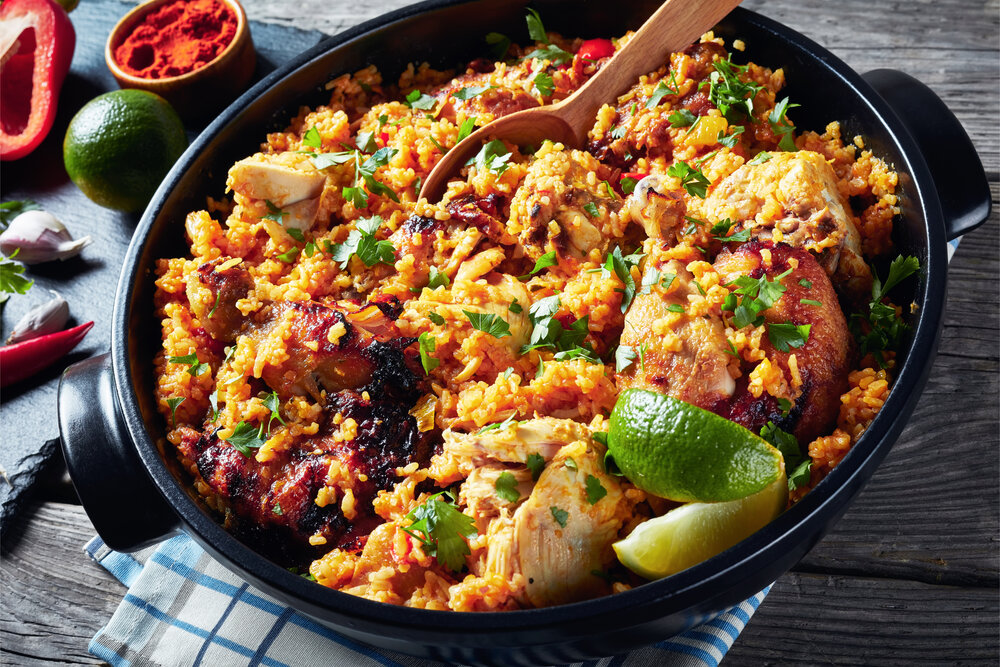
Arroz Valenciana
Arroz Valenciana is an example dish of Spanish influence in Philippine culture. Three centuries of colonization brought it to our shores, which were altered to accommodate indigenous ingredients. Arroz Valenciana is a paella-like dish. Coconut milk, glutinous rice, boiled eggs, and chorizo, the main ingredient in this recipe, are all used in the Filipino version. To give the Valenciana additional flavor, pork liver raisins, peas, and meat pork or chicken are sometimes added. This dish is famously served during Christmas, fiestas, and other special occasions; it is easy to prepare for everyday dinner meals. It is packed with different flavors and textures, perfect for sharing; with your family and friends. Try this Arroz Valenciana dish, and let me know what you think. (Carado, Jyreh Mark C.)

reference: https://rasamalaysia.com/lumpia-filipino-spring-rolls-recipe/
Lumpia
When it comes to Filipino festivals and parties, Lumpia is one of the most popular dishes served in the different parts of the Philippines. It is the local Filipino-style spring roll that is usually served as an appetizer in a gathering. The word lumpia refers to any dish or serving that is wrapped on a thin paper-like crepe that has varieties of fillings. This dish is usually deep fried, but the Philippines also have a variety called Lumpiang Sariwa, which literally translates as Fresh Lumpia. Unlike all other Lumpias that use either ground pork, beef, tuna, or even chicken as its main ingredient, Lumpiang Sariwa has different vegetables wrapped inside the crepe and is partnered with a sweet brown sauce for more taste. So if you are considering the wide range of Filipino cuisine, you can never go wrong with trying any of the Lumpia varieties! (Delos Reyes, Mary Angeline C.)

Palabok
Pancit Malabon, commonly known as pancit palabok, is a Filipino dish that originated in Malabon, Metro Manila. Palabok is a one-of-a-kind dish that may be served at any occasion, including birthdays, feasts, and anniversaries. It has a lot of ingredients that can be found anywhere. There is the rice noodles that are very different from any other kind of noodles; the sauce made very special from shrimp stocks or pork broth; the color of the noodle is very important because it makes the noodles more delish; and to top our pancit palabok, we top it with boiled fresh egg and fried shrimps added with smoked fish flakes and pork cracklings. (Vasquez, Regine)

reference: https://panlasangpinoy.com/kare-kare-recipe/
Kare-kare
Kare-Kare is an umami-packed stew cooked with oxtail, tripe, and vegetables in a thick peanut sauce. It gives your taste buds an explosion of rich flavors when paired with a sweet shrimp paste. The soft, melt-in-your-mouth meat, the vegetables, and the ultra-rich sauce are what make kare-kare extra delicious. The kare-kare meats aren't your standard cuts of cattle. Tripe refers to the stomach lining and has a characteristic soft and chewy texture. Oxtail is particularly soft and fatty, which adds to the flavor of the dish. The dish is textured and colorful thanks to string beans, eggplant, bok choy, and banana blossoms. There's also the sauce. The ideal blend of sweet and salty is kare-kare sauce, which is made with crushed peanuts and peanut butter. (Alorro, Gerome A.)

reference: https://proudlyfilipino.com/14879/cebus-best-lechon-guide/
Lechon
Lechon or roasted pig is a delicacy in the Philippines. It is traditionally served at celebrations like birthdays, weddings, Christmas, and festivals. Speaking of lechon, Cebu is the best for all! It is widely known as the Lechon Capital of the Philippines. Cebuano celebrations will never be complete without lechon on the table. It is indeed correct that the lechon from the said city has a super delicious taste. As a Cebuano, I highly recommend lechon Cebu to anyone who likes to come to the city and try the delicious lechon meal with your family or friends. (Luayon, Shella Mae)

Sinigang na Baboy
Sinigang na baboy is one of the most Filipino signature dishes eaten in the Philippines. It has a mixture of a sweet and sour soup with rich flavors coming from the other ingredients. Many people in the Filipino culture make this dish for special occasions such as birthdays or baptisms. This often consists of some type of meat or fish, vegetables, tomatoes and tamarind flavoring. For example, it can be cooked with beef, chicken, pork ribs, shrimp or even fish, but more commonly it is cooked with pork. Sinigang is an authentic food passed down from generation to generation. Although the ingredients have changed over time, one thing will never change: its taste. Its rich taste reminds many Filipinos of the taste of home. (Bosiyo, Jacel Ann)

Adobo
In the Philippines, adobo is regarded as one of the best Filipino foods. It tastes terrific and is well-liked by most people. Adobo is a stew made with vinegar, soy sauce, and bay leaves, to which it boils eggs and potatoes can be added. Cooking it is simple and inexpensive, and it is simple to prepare. It can be cooked in a variety of ways, including sweet, spicy, and salty. Because adobo is somewhat uncommon, many people, including foreigners, have tried it because of its deliciousness, especially when coupled with rice. So there's no denying that eating every day isn't monotonous. (Tagupa, April Ann)

Laing
Laing is a Filipino traditional dish with dried nightshade leaves and meat or seafood cooked in honey. It is flavored with chili squid, lemongrass, garlic, fish, ginger, and anchovies. Its origins can be traced back to Bicol, where it is known as pinangat. Others are also ginataan (Filipino cuisine cooked in honey), therefore it can be called ginataang laing. Others go well with rice or toast. The mixture usually consists of cooked beef, shrimp, or fish skin (or all three) along with fresh alamang, crushed chili squid, garlic, cod, ginger, and kakang gata (coconut cream). It is wrapped in a leaf and tied with a coconut leaf. Then, steam it with honeycomb and lemongrass until the wrappers are soft and the honeycomb becomes a thick sauce. Laing's dish is straightforward and uses widely accessible grocery ingredients. Making it at home is simple and straightforward! You can alter the flavor by adding additional shrimp paste or chili peppers. With a healthy version, substitute dried salmon for the pork slices. This dish is normally served with rice, but puto or toasted bread will do. (Medina, Hazel S.)
With the rich mixed flavors in one single dish, Filipino cuisine will never disappoint your taste buds and can definitely satisfy your cravings. All these, and so much more, are what makes the Filipinos be food-lovers and full-eaters whenever there is an occasion. Everywhere you go in the Philippines, there will always be a menu of dishes that can truly capture your interest. You can never know, maybe after tasting them there'll be another added dish on your favorites.

Comments
Post a Comment